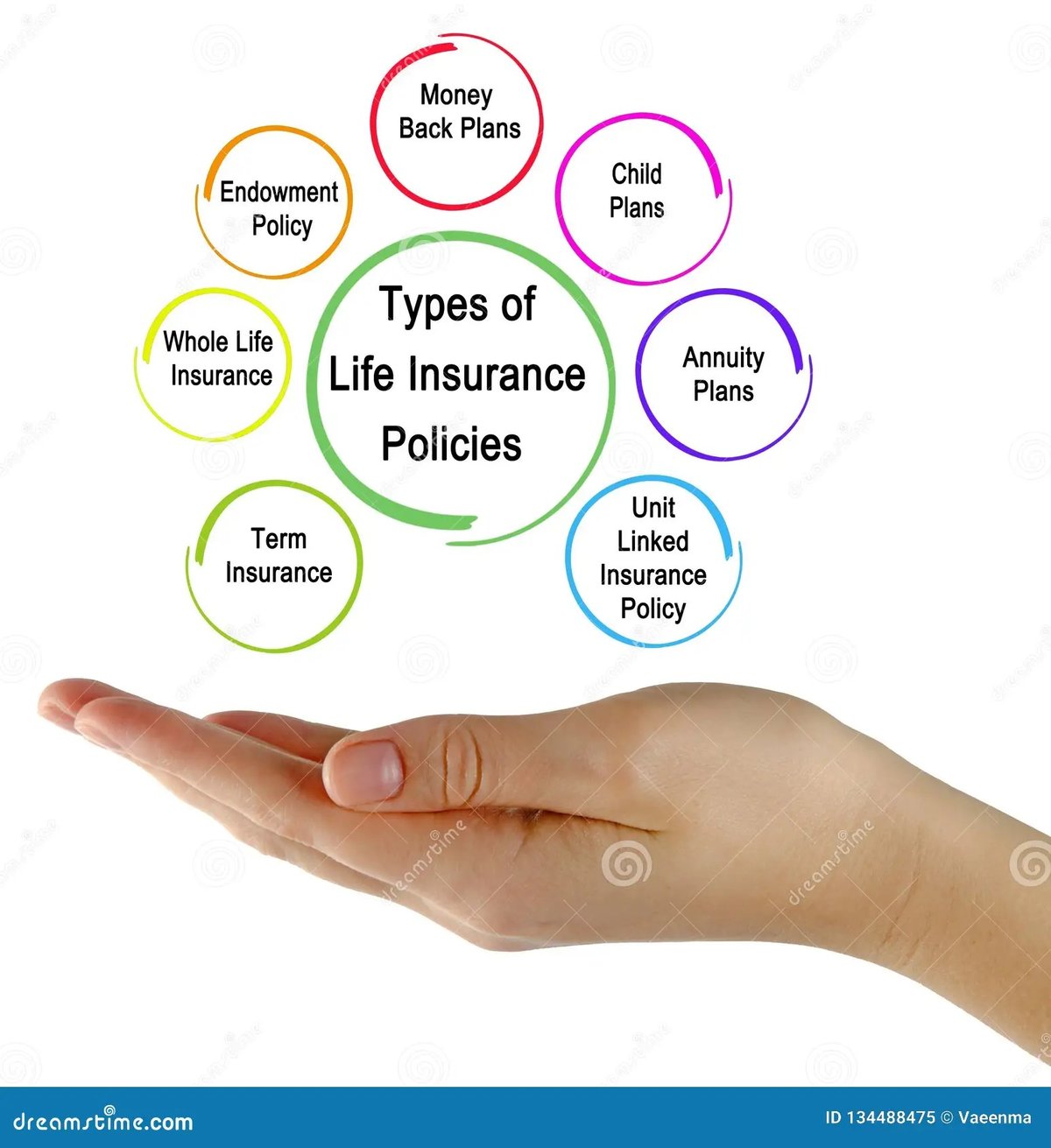
Life's financial landscape is full of twists and turns, and few topics carry as much weight as ensuring your loved ones are protected no matter what comes next. That’s precisely where life insurance steps in, offering a critical safety net. But navigating the many types of life insurance: value & trade-offs can feel like deciphering a complex financial puzzle. The good news? It doesn't have to be.
We’re here to cut through the jargon and illuminate your path. This guide will equip you with the knowledge to understand your options, weigh their benefits against their costs, and ultimately make an informed decision that aligns with your family’s future and financial aspirations.
At a Glance: Your Life Insurance Options
- Term Life: Simple, affordable coverage for a specific period (e.g., 20 years). No cash value, just a death benefit. Best for covering temporary needs like a mortgage or child-raising years.
- Permanent Life: Lifelong coverage with a cash value component that grows over time. More expensive but offers guarantees and financial flexibility. Includes Whole Life and Universal Life variations.
- Specialized Policies: Tailored for specific needs, such as covering final expenses (Burial/Final Expense), a mortgage (Mortgage Life), or business debts (Credit Life).
- Underwriting: How insurers assess your risk, ranging from a full medical exam (cheapest) to no questions asked (most expensive, Guaranteed Issue).
- Riders: Optional add-ons to customize your policy, like accelerated death benefits or waiver of premium.
The Fundamental Divide: Term vs. Permanent Life Insurance
At its core, life insurance primarily divides into two major camps: term and permanent. Understanding this distinction is your first and most crucial step toward finding the right fit.
Term Life Insurance: Protection for a Specific Period
Think of term life insurance as renting coverage. You pay premiums for a set amount of time – the "term" – and if you pass away within that period, your beneficiaries receive a death benefit. Simple, straightforward, and generally the most budget-friendly way to secure substantial coverage.
- The Basics: These policies typically run for 5, 10, 15, 20, 25, or 30 years. During this time, your premiums are usually level, meaning they don't change. Critically, term life insurance has no cash value component; it's purely about covering the risk of death.
- How it Works: You select a term length and a death benefit amount. Your rates are fixed for the duration. If the term expires and you're still living, the policy simply ends, or you might have the option to renew.
- Who it's For: Term life is ideal for covering specific, finite financial obligations. Think about replacing your income during your prime working years, ensuring your mortgage is paid off if something happens, or providing for your children's education costs until they're independent. It's the cheapest way to secure a large death benefit when your financial responsibilities are highest.
- The Trade-offs: The main downside surfaces when the term ends. If you renew, the new premiums will be significantly higher because you're older. Buying a brand-new policy later in life can also be much more expensive due to age and potential health changes. If you outlive the term and don't renew or convert, there's no death benefit payout. Many term policies offer renewability (at a higher premium) or convertibility to a permanent policy without new medical exams, which can be valuable flexibility.
Permanent Life Insurance: Lifelong Coverage with Growth Potential
Permanent life insurance, on the other hand, is like owning your coverage. It’s designed to last your entire life and typically includes a cash value component that grows over time, often tax-deferred. This added feature makes it more complex and generally more expensive than term life, but it also offers unique benefits beyond just a death benefit.
- The Basics: Coverage extends for your entire life, as long as premiums are paid. A portion of each premium contributes to the policy’s cash value, which can grow based on a fixed interest rate or market-tied returns. You can access this cash value later in life, either through loans or withdrawals.
- How it Works: Beyond paying a death benefit, permanent policies build a living benefit in the form of cash value. This cash value can be used for various financial needs, like supplementing retirement income, paying for emergencies, or covering long-term care costs.
Delving Deeper: Subtypes of Permanent Life Insurance
The umbrella of permanent life insurance contains several distinct subtypes, each offering a different blend of guarantees, flexibility, and growth potential.
Whole Life Insurance: The Steady Performer
Whole life is the most traditional form of permanent insurance, known for its predictability and guarantees.
- The Basics: Offers lifelong coverage with premiums that remain level throughout the policy's existence. The death benefit is also fixed and guaranteed. Its cash value component grows at a guaranteed fixed rate of return.
- How it Works: Every premium payment contributes to the death benefit and builds cash value. This cash value accumulates on a tax-deferred basis, meaning you don't pay taxes on the growth until you withdraw it. You can borrow against the cash value, and the interest rate on these loans is typically set by the insurer.
- Who it's For: Ideal for individuals who prioritize certainty and long-term financial planning. If you want guaranteed premiums, a guaranteed death benefit, and predictable cash value growth, and you're comfortable with the higher cost, whole life can be an excellent fit. It's often used for estate planning, wealth transfer, or to ensure funds are available for final expenses, regardless of when you pass.
- The Trade-offs: Whole life is generally the most expensive type of life insurance due to all its guaranteed features. The rate of return on the cash value, while guaranteed, can be modest compared to market-based investments.
Universal Life Insurance (UL): The Flexible Friend
Universal life policies offer more flexibility than whole life, allowing you to adjust certain aspects of your policy as your needs change.
- The Basics: Permanent coverage with a cash value component. Unlike whole life, UL policies often allow you to adjust your premium payments (within limits) and even the death benefit amount over time.
- How it Works: The flexibility in UL policies allows you to pay more into the policy to accelerate cash value growth, or reduce payments if money is tight, as long as the cash value can cover the policy's internal costs. The cash value usually earns interest based on market rates or a specific index.
- Who it's For: Suited for those who want lifelong coverage but anticipate needing flexibility in their financial planning or premium payments. It can be a good option if your income might fluctuate or if you want the ability to adjust your death benefit down the road.
Varieties of Universal Life: Tailoring Your Returns
- Indexed Universal Life (IUL): The cash value growth in an IUL policy is tied to the performance of a specific equity market index, such as the S&P 500, rather than a fixed interest rate. These policies typically include a minimum guaranteed interest rate (a "floor") to protect against market downturns, but also an interest rate cap that limits potential upside gains. This offers market-tied growth without direct investment risk.
- Variable Universal Life (VUL): VUL policies provide the most investment control. You, the policyholder, choose how the cash value is invested from a selection of sub-accounts (similar to mutual funds) offered by the insurer. This offers the highest potential for cash value growth, but also carries the greatest risk, as the cash value and potentially even the death benefit can decrease if investments perform poorly. Some VUL policies include a guaranteed minimum death benefit, but the cash value is not guaranteed.
- The Trade-offs: While flexible, Universal Life policies require careful monitoring. Because premiums and cash value growth can fluctuate, it's crucial to ensure there's enough cash value to cover policy fees; otherwise, the policy could lapse. The gains on the cash value are not always guaranteed, and in the case of VUL, you bear the investment risk.
Burial and Funeral Insurance (Final Expense Insurance): Simple Peace of Mind
Sometimes, the primary concern isn't income replacement or estate planning, but simply covering the costs associated with end-of-life arrangements.
- The Basics: This is essentially a small whole life policy designed specifically to cover funeral, burial, and other final expenses. It typically has level premiums and a fixed, modest death benefit. These policies are often offered as "guaranteed issue," meaning no medical exam is required.
- How it Works: The policy provides lifelong coverage for a fixed amount, usually between $5,000 and $50,000. Because it’s often guaranteed issue, it's accessible to individuals who might not qualify for other types of life insurance due to health reasons.
- Who it's For: Ideal for older adults or those in poor health who need to ensure their final expenses won't burden their loved ones, and who have limited other insurance options.
- The Trade-offs: Relative to the coverage amount, final expense insurance can be quite expensive. Many policies also come with a "graded death benefit," meaning that if the insured dies within the first 2-3 years of the policy, beneficiaries may only receive a refund of premiums paid plus interest, not the full death benefit.
Survivorship Life Insurance (Second-to-Die Life Insurance): Estate Planning for Couples
This specialized permanent policy is designed for couples, paying out only after both insured individuals have passed away.
- The Basics: Typically a permanent policy with a cash value component, covering two lives under a single policy. Premiums vary, but the significant death benefit is paid only after the second insured person dies.
- How it Works: It covers two people, most often a married couple. The premiums are generally lower than buying two individual policies for the same total death benefit, largely because the payout is deferred until the second death.
- Who it's For: This is a powerful tool for estate planning, particularly for high-net-worth couples. It's often used to provide funds for estate taxes, create an inheritance for heirs, or fund a charitable donation that isn't needed until both individuals are gone. It can help maintain generational wealth.
- The Trade-offs: The primary drawback is that no benefits are paid to the surviving spouse after the first death. If one spouse would face significant financial hardship after the other's passing, this policy alone would not provide immediate support.
Specialized Life Insurance Policies: Tailored for Specific Situations
Beyond the main categories, several specialized policies address very particular financial needs. While useful in specific contexts, they often have narrower applications than standard term or permanent policies.
Mortgage Life Insurance: Covering Your Home Loan
This policy is explicitly tied to your home loan.
- The Basics: The policy length matches your mortgage duration, and the death benefit declines as you pay down your loan. It typically has no cash value. Premiums may fluctuate.
- How it Works: If you pass away, the death benefit is paid directly to your mortgage lender, covering the remaining balance of your home loan. It ensures your family doesn't lose their home due to the mortgage burden.
- Who it's For: Primarily for individuals whose main concern is ensuring their family isn't burdened by the mortgage. It can also be attractive to those who want to avoid a medical exam, as some policies are simplified issue.
- The Trade-offs: The biggest limitation is its lack of flexibility. The payout goes directly to the lender, not your beneficiaries, meaning your family can't use the funds for other essential needs or financial goals. A standard term life policy with a death benefit equal to your mortgage balance is often a more versatile alternative, as it allows your beneficiaries to decide how to use the funds.
Credit Life Insurance: Protecting Specific Debts
Similar to mortgage life, credit life insurance covers a specific debt.
- The Basics: This policy is tied to a particular loan (e.g., a car loan, personal loan). It typically has no cash value and level premiums, with the death benefit declining as the debt is paid down.
- How it Works: If you die, the policy pays off the remaining balance of the covered debt directly to the lender. Premiums can often be rolled into your loan payments for convenience.
- Who it's For: Individuals concerned about their family being responsible for a specific debt. Like mortgage life, it often requires no medical exam.
- The Trade-offs: This is very narrow coverage. It offers no financial flexibility beyond that specific debt, and the cost can be high relative to the benefits. Generally, a well-chosen term life policy can provide broader, more cost-effective protection for all your debts.
Supplemental Life Insurance (Group Life Insurance): Employer-Provided Boost
Many employers offer life insurance as part of their benefits package. Supplemental life allows you to increase that coverage.
- The Basics: Connected to your employment, these policies usually have no cash value. Premiums are typically employee-paid and are often very low. The death benefit is fixed.
- How it Works: It's an additional policy you can purchase through your employer to supplement the basic group life insurance they might provide for free. The convenience and often lower group rates make it appealing.
- Who it's For: A great way to boost your overall life insurance coverage at a low cost, especially if you have other individual policies.
- The Trade-offs: The major downside is that coverage usually ceases if you leave your employment, meaning you could lose your insurance just when you need it most. It also limits your ability to buy higher amounts of insurance independently, and the policy terms are set by your employer's group plan.
Accidental Death & Dismemberment (AD&D): Focused on Accidents
AD&D is distinct from traditional life insurance as it only pays out under specific circumstances.
- The Basics: Often sold as a supplementary policy or a rider to a main life insurance policy.
- How it Works: It provides an additional lump-sum payout if the insured dies as a direct result of an accident. It also typically pays a portion of the death benefit if the insured suffers specific catastrophic injuries, such as the loss of a limb, sight, speech, or hearing due to an accident.
- Who it's For: Individuals who want an extra layer of protection specifically against accidental death or severe accidental injury.
- The Trade-offs: It's important to remember that AD&D is not a substitute for comprehensive life insurance. It only covers accidents, not death from illness or natural causes, which account for a far greater percentage of deaths.
Understanding Underwriting: How Insurers Assess Your Risk
When you apply for life insurance, the company needs to assess how risky it is to insure you. This process, called underwriting, directly impacts your premium rates.
- Fully Underwritten: This is the most thorough process and often yields the cheapest premiums. It requires a medical exam (blood test, urine sample, physical measurements), a detailed application covering your health history, family medical history, lifestyle choices (e.g., smoking, dangerous hobbies), and driving record. The more information the insurer has, the more accurately they can price your risk.
- Accelerated Underwriting: A faster process that skips the medical exam. You'll answer health questions, and the insurer will use third-party data sources (like prescription drug history, motor vehicle records, credit reports) to assess your risk. This can be competitively priced, but if any red flags appear, you might still be asked to undergo full underwriting.
- Simplified Issue: This approach also bypasses the medical exam. You answer a few basic health questions on the application. A "yes" to certain questions (e.g., recent cancer diagnosis, heart attack) will likely lead to denial. It's quicker and easier, but generally more expensive than fully underwritten policies.
- Guaranteed Issue (Instant Life Insurance): As the name suggests, you cannot be turned down for this type of policy. There's no medical exam and no health questions asked. This makes it the most expensive way to buy life insurance because the insurer is taking on unknown risks. It typically has no waiting period, with coverage beginning very quickly after application. It's often reserved for final expense coverage for older individuals or those with severe health conditions.
Essential Life Insurance Terms to Know
Navigating your options is easier when you understand the core vocabulary.
- Premium: This is the regular payment you make to the insurance company to keep your policy active. Payments are typically monthly or annually. Missed payments can lead to your policy lapsing.
- Death Benefit: The lump sum of money paid to your designated beneficiaries upon your death, provided the policy is in force. This is the primary purpose of life insurance.
- Cash Value: A savings or investment component within most permanent life insurance policies. It accumulates over time, often tax-deferred, and can be accessed by the policyholder through loans or withdrawals during their lifetime.
- Riders: These are optional add-ons to a basic life insurance policy that enhance or modify coverage for an extra cost. Common riders include:
- Accelerated Death Benefit: Allows you to access a portion of your death benefit early if you are diagnosed with a terminal illness.
- Accidental Death Benefit: Pays an additional amount if your death is due to an accident.
- Children’s Term Rider: Provides a small amount of term coverage for your children, often convertible to permanent insurance later.
- Disability Income Rider: Pays a monthly income if you become disabled and cannot work.
- Guaranteed Insurability Rider: Lets you purchase additional coverage at specific future dates without needing a new medical exam.
- Long-Term Care Rider: Allows you to use part of your death benefit for long-term care expenses.
- No-Lapse Guarantee Rider: Ensures a universal life policy won't lapse if its cash value drops below zero, provided you pay required premiums.
- Return-of-Premium (ROP) Rider: Available on some term policies, it refunds your premiums if you outlive the term. It significantly increases the cost.
- Term Conversion Rider: Guarantees you can convert a term policy to a permanent policy without new medical underwriting.
- Waiver of Premium Rider: Waives future premium payments if you become totally disabled and unable to work.
Making Your Decision: Which Life Insurance Type is Right For You?
Choosing the best life insurance type isn't a one-size-fits-all scenario. It's deeply personal, dependent on your budget, financial goals, current life stage, and specific coverage needs.
When Life Insurance is Indispensable:
- You have dependents: If anyone relies on your income – a spouse, children, elderly parents – life insurance is crucial to replace that income if you're no longer there.
- You have significant debts: A mortgage, student loans, or other major debts could become a burden for your family without your income.
- You want to cover final expenses: Even without dependents, funeral and burial costs can be substantial.
- You want to leave an inheritance or charitable donation: Life insurance can be a tax-efficient way to transfer wealth or support causes you care about.
- You own a business: To ensure business continuity or buy out a deceased partner's share.
When Life Insurance Might Not Be Your Top Priority:
- You have no dependents: If no one relies on your income, the primary need for income replacement is diminished.
- You have no debts and ample savings: If your savings are sufficient to cover your final expenses and any outstanding obligations, and you have no dependents, life insurance might be less critical.
Steps to Choose and Buy Life Insurance:
- Define Your Financial Goals: Don't view life insurance in isolation. It should be a component of your broader financial plan. What do you want it to achieve? Income replacement, debt payoff, estate planning, or simply peace of mind? A financial advisor can help integrate it into your overall strategy.
- Calculate Your Coverage Needs: This is paramount. Consider:
- Current and future living expenses for your dependents.
- Any outstanding debts (mortgage, car loans, credit cards).
- Future costs like a child's education.
- End-of-life expenses (funeral, probate).
- Potential estate taxes for larger estates.
- Existing savings and other financial assets your family could rely on.
- Rule of thumb: Aim for 10-15 times your annual income, but adjust based on your unique situation.
- Work With an Experienced Insurance Agent or Broker: These professionals can be invaluable. They can help you identify the right policy type and coverage amount, clarify complex terms, and shop around with multiple insurers to find competitive quotes tailored to your health and needs.
- Understand and Consider Riders: As discussed, riders can customize your policy. Ask your agent about available riders and their associated costs to see if they add valuable protection or flexibility for your circumstances.
- Research the Insurer's Financial Strength: You want confidence that the company will be around to pay claims decades down the line. Look for strong financial ratings (e.g., A or higher from agencies like AM Best, S&P, Moody's, Fitch).
General Guidance for Specific Scenarios:
- For temporary needs and lower premiums: If you primarily need coverage for a specific period (e.g., while raising a family, paying a mortgage), term life insurance is typically your most cost-effective solution. It delivers a substantial death benefit for a relatively low premium.
- For lifelong coverage with guarantees and cash value: If you can afford higher premiums and desire lifelong protection with an accumulating cash value, a permanent policy is worth exploring.
- Choose whole life if you prioritize guaranteed premiums, a guaranteed death benefit, and predictable, fixed-rate cash value growth. You value certainty above all else.
- Consider Universal Life (including Indexed or Variable UL) if you desire lifelong coverage with more flexibility in premiums or death benefits, or if you want your cash value growth tied to market performance (accepting some risk for higher potential returns).
- For only final expenses: If your primary concern is covering funeral and burial costs, especially if you're older or have health issues, final expense (burial) insurance can provide this peace of mind, often with guaranteed acceptance.
- Leverage Employer-Sponsored Life Insurance: If your employer offers group life insurance, take advantage of it. It's often low-cost or free. However, remember that it's usually tied to your job, so it's wise to supplement it with an individual policy that's portable.
You have several avenues for purchasing life insurance, including directly online, over the phone, or through a local insurance agent or independent broker. Each offers varying levels of guidance and comparison shopping.
Ultimately, life insurance isn't about planning for your death; it's about safeguarding the future of those you cherish most. By understanding the types, their unique value propositions, and their inherent trade-offs, you can confidently choose a policy that provides lasting security and peace of mind for your loved ones.